Salsa is one of the world's most recognised dance forms, yet its origins are anything but straightforward. Born from a fusion of Cuban son, mambo, and Caribbean rhythms, salsa took shape in New York City during the 1960s and 70s, largely within Latino immigrant communities. The name itself — thought to have been coined as a marketing term — captured the spicy, energetic nature of the music and movement. From those urban dance halls, salsa spread rapidly, evolving differently depending on where it landed.
New York: the birthplace of modern salsa
New York remains the spiritual home of salsa dancing. The city's style, known as "On2" or mambo style, is characterised by elegant footwork, sharp timing, and a strong emphasis on musicality. It developed in the clubs of the South Bronx and Spanish Harlem, where Puerto Rican and Cuban communities blended their cultural traditions with the energy of city life. This style continues to dominate competitive salsa circuits around the world.
Colombian salsa: speed and precision
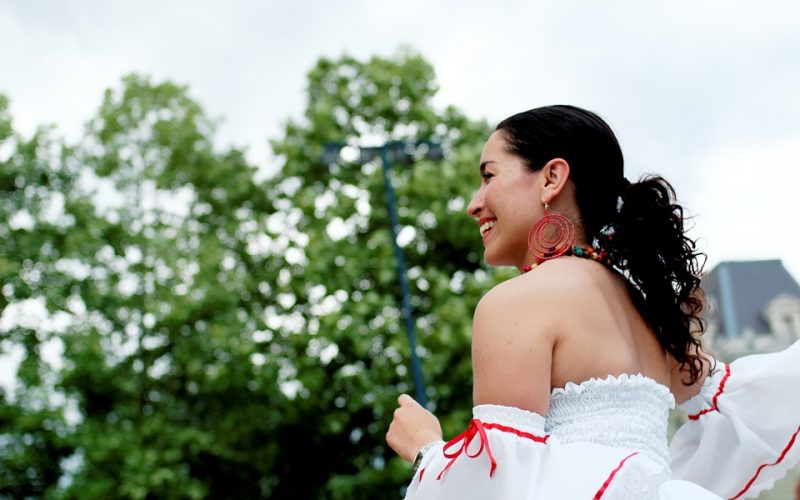
Travel to Cali, Colombia, and you'll encounter a completely different expression of the same dance. Cali-style salsa is fast, footwork-heavy, and danced in tight, close partnership. It strips away some of the upper body ornamentation found in other styles and instead focuses on rapid, intricate foot patterns. The city hosts the annual Cali Fair, one of the largest salsa festivals on the planet, drawing hundreds of thousands of visitors each December.
Cuban salsa and the casino tradition
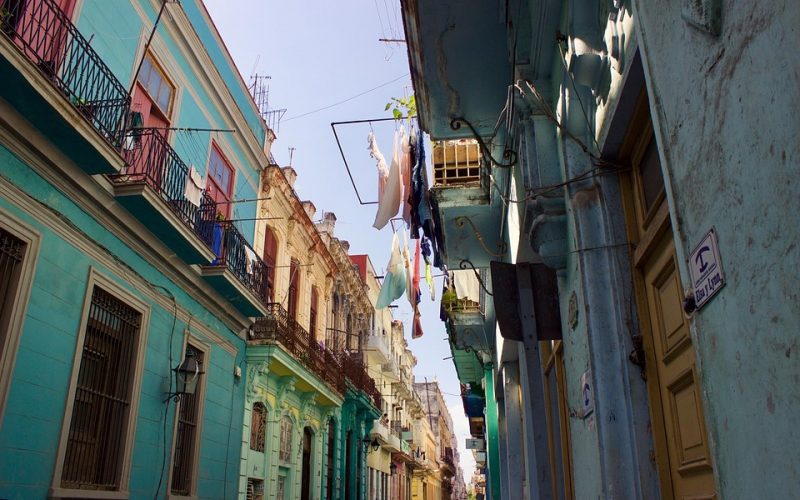
Cuban salsa — locally known as "casino" — stays close to its Afro-Cuban roots. Circular in nature, it incorporates rumba movements, body rolls, and a distinctly relaxed, improvisational feel. Rueda de Casino, a group variation where couples dance in a circle and swap partners on cue, is a beloved Cuban tradition that has since gained popularity worldwide. Unlike the linear styles common in North America and Europe, Cuban salsa feels grounded, playful, and deeply communal.
How salsa took hold in Europe
Europe embraced salsa enthusiastically from the 1990s onwards. Cities like London, Paris, and Amsterdam developed thriving salsa scenes, each influenced by the nationalities and cultures of their immigrant populations. The European approach tends to blend styles freely, with many dancers trained across Cuban, New York, and Los Angeles influences. Large congresses and festivals — such as the London Salsa Congress — have helped cement Europe's reputation as a serious hub for international salsa culture.
Salsa's global reach today
Salsa has now taken root on every continent. In Japan, dedicated communities have built scenes that rival those in Latin America for technical precision. In West Africa, salsa fused with local rhythms to produce distinctly regional variations. Online platforms and social media have accelerated this spread, allowing dancers in remote parts of the world to learn, connect, and compete without ever leaving home. The global salsa community is arguably more connected now than at any point in its history.
Why salsa continues to captivate
What makes salsa so enduring is its adaptability. It carries the weight of genuine cultural history whilst remaining open to reinvention. Each country, city, and community has found a way to make it their own, preserving its essence whilst pushing it in new directions. For anyone curious about exploring the dance, the entry point has never been more accessible — classes, festivals, and social dances exist in virtually every major city on earth. Wherever you find salsa, you'll find a community ready to welcome you onto the floor.