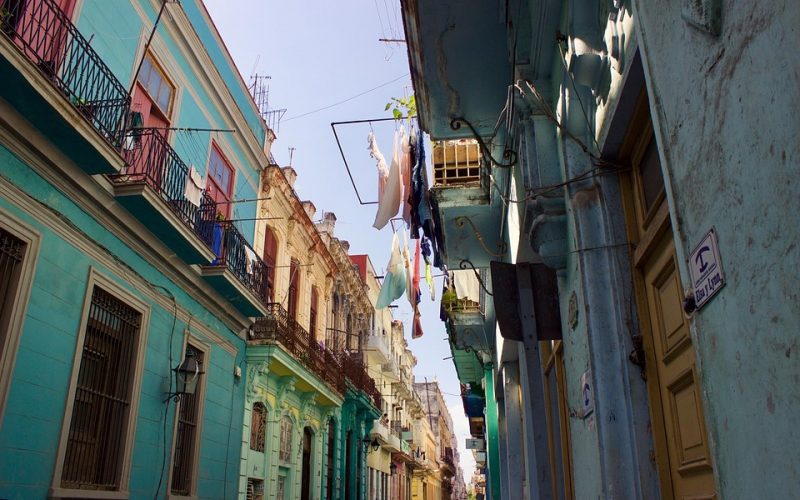
Havana moves to a rhythm all its own. The streets pulse with music, the air carries the scent of cigars and sea salt, and everywhere you turn, people are dancing. For those who love salsa, this city is not just a destination — it is the source. A salsa tour to Havana offers something no dance studio or weekend workshop ever could: the chance to learn from the people who live and breathe this art form every single day.
The birthplace of a global dance movement
Salsa as the world knows it today has its roots deeply embedded in Cuban son, a genre that blended African rhythms with Spanish guitar in the early 20th century. Havana was at the heart of this evolution, and the city's connection to dance has never wavered. Walking through neighbourhoods like Centro Habana or the colourful streets of Vedado, it becomes immediately clear that dance here is not performance — it is life.
What a salsa tour typically includes
Most structured salsa tours to Havana are designed for a range of abilities, from complete beginners to experienced dancers looking to refine their technique. A typical itinerary might span five to ten days and include daily group classes taught by Cuban instructors, private one-on-one sessions, and evening visits to local casas de la música or famous venues like La Tropical. Some tours also arrange visits to cultural institutions, where you can watch professional dance companies rehearse and perform.
Learning from Cuban masters
There is a fundamental difference between Cuban-style salsa — known as Casino — and the styles commonly taught in Europe or North America. Cuban Casino is circular, improvisational, and deeply social. Instructors in Havana teach not just the steps, but the feeling behind them. Many of the teachers leading these tours have performed nationally or trained at institutions like the Cuban Institute of Music. Their knowledge goes far beyond choreography; they pass on history, culture, and an entirely different relationship with rhythm.
Beyond the dance floor
A salsa tour to Havana naturally spills beyond the studio. Afternoons might be spent wandering through Old Havana, a UNESCO World Heritage Site, admiring its Spanish colonial architecture and bustling plazas. Rum tastings, trips to local markets, and guided walks through the Malecón seafront promenade are common additions to tour itineraries. These experiences add depth to the trip, giving context to the music and dance that surrounds you at every turn.
Practical things to know before you go
Travelling to Cuba requires some preparation. British passport holders do not need a visa in advance but must obtain a tourist card before arrival, which is usually arranged through your airline or tour operator. Cuba operates a dual currency system, and it is advisable to bring euros or pounds sterling to exchange on arrival, as cards linked to US banks are not accepted. Light, breathable clothing is essential given the Caribbean heat, and comfortable dance shoes — preferably with a suede sole — will serve you far better than trainers on the studio floor.
Why this trip stays with you
Travellers who have taken a salsa tour to Havana consistently describe it as one of the most transformative experiences of their lives. It is the kind of trip that changes how you listen to music, how you move through a room, and how you connect with strangers. Havana has a generosity of spirit that is difficult to put into words — but easy to feel the moment someone takes your hand and counts you in.